
Leading Foundation Repair Solutions For Long-Term Structural Support
Identify high-quality repair products that deliver lasting stability and protect your property investment.
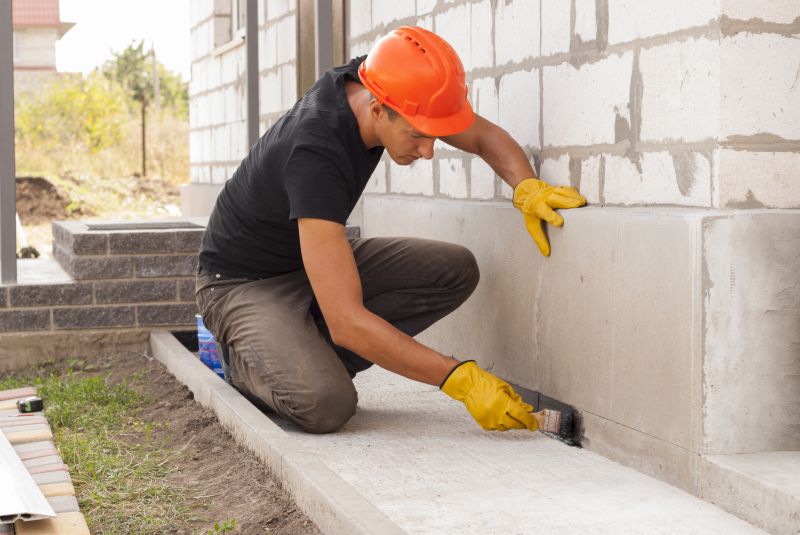 Foundation repairs are a critical aspect of maintaining the structural integrity of a building. When issues such as cracking, settling, or shifting are observed, it is essential to explore appropriate products designed to address these concerns effectively. A variety of repair solutions are available, each suited to different types of foundation problems and construction scenarios. Selecting the right products involves understanding the specific needs of the foundation, the severity of the issues, and the long-term stability goals for the property.
Top Overall Option
Hydraulic Pier System
A hydraulic pier system provides a versatile approach to foundation stabilization by lifting and supporting a sinking or settling foundation. Its adjustable hydraulic jacks allow for precise leveling, making it suitable for a range of foundation types and damage severities. When professionally installed, hydraulic piers can offer long-lasting support, helping to restore the original elevation and stability of a structure.
Types of Products For Foundation Repairs
Hydraulic Piers
Supports and lifts sinking foundations using hydraulic jacks for adjustable stabilization.
Helical Piles
Deep foundation supports that are screwed into the ground to stabilize and lift foundations.
Polyurethane Foam Injection
Fills and lifts foundation cracks and voids with expanding foam for stabilization.
Concrete Underpinning
Adds support beneath existing concrete slabs or footings to prevent further settling.
Steel Push Piers
Provides vertical support by pushing steel piers beneath the foundation for stability.
Mud Jacking
Lifts sunken concrete slabs by injecting a grout mixture beneath the surface.
Drainage Systems
Improves water flow away from the foundation to reduce moisture-related issues.
Waterproofing Membranes
Seals foundation walls to prevent water infiltration and reduce hydrostatic pressure.
Crack Repair Epoxies
Seals cracks in foundation walls to prevent water intrusion and further damage.
Soil Stabilizers
Strengthens soil around the foundation to reduce shifting and settling.
Vapor Barriers
Reduces moisture vapor transmission through foundation walls and floors.
Foundation Braces
Provides temporary or permanent support to walls and structures affected by shifting.
Grout Fillers
Fills voids and gaps in the foundation to reinforce structural integrity.
Anchor Bolts
Secures foundation walls to the framing to prevent movement.
Vibration Stabilizers
Reduces vibrations that can cause or exacerbate foundation issues.
Popular Choices
Widely used for foundation stabilization in various repair projects due to their adjustable support capabilities.
Commonly selected for their ease of installation and suitability for different soil conditions.
Popular for quick crack repairs and minor lifting needs with minimal disruption.
Frequently installed to manage water flow and prevent moisture buildup around foundations.
Often used for sealing cracks in foundation walls to prevent water ingress.
Commonly applied to basement walls for added protection against water intrusion.
Popular for reducing moisture vapor transmission in crawl spaces and basements.
Chosen for their strength and ability to provide long-term support under heavy loads.
Used for leveling and raising sunken concrete slabs efficiently.
Selected for improving soil bearing capacity in areas prone to shifting.
Applied to temporarily stabilize walls during repair processes.
Utilized in areas with vibration concerns to minimize movement impacts.
Foundation repair products range from simple stabilization materials to complex underpinning systems. Many options are designed to be installed by professionals, ensuring safety and effectiveness, while some are suitable for DIY applications. Proper assessment and consultation with foundation specialists can help determine the most appropriate products for your situation. Investing in quality repair solutions can help prevent further damage, improve safety, and preserve property value.
When considering foundation repair products, it is important to evaluate their compatibility with your foundation type, the extent of the damage, and the environmental conditions of your location. Products such as hydraulic piers, helical piles, and polyurethane foam injections are commonly used to lift, stabilize, and fill foundation cracks. Additionally, waterproofing and drainage solutions can complement foundation repairs by reducing moisture-related issues that contribute to foundation movement. Careful selection and professional installation can help ensure durable and reliable results.
Understanding the variety of available products and their functions enables homeowners and contractors to make informed decisions. Regular inspections and early intervention can minimize repair costs and prevent more extensive damage. With the right combination of products and expert guidance, foundation issues can be addressed effectively, helping to maintain the safety and stability of your property in Hobart, IN.
Key Buying Considerations
- Assess the type and severity of foundation issues before selecting products.
- Consult with foundation repair professionals to determine the most suitable solutions.
- Consider the soil conditions and environmental factors specific to your location.
- Evaluate the compatibility of repair products with your existing foundation materials.
- Prioritize products that offer adjustable or customizable support options.
- Check the load capacity and weight support specifications of stabilization systems.
- Review installation requirements and whether professional help is necessary.
- Understand the long-term durability and maintenance needs of chosen products.
- Ensure products meet local building codes and safety standards.
- Consider the potential impact on property value and future repairs.
- Factor in the ease of access for repair work and future inspections.
- Review warranty and service options provided by manufacturers or installers.
- Determine the expected lifespan and performance history of the products.
- Think about additional waterproofing or moisture control measures needed.
- Budget appropriately for both materials and professional installation costs.